Overview
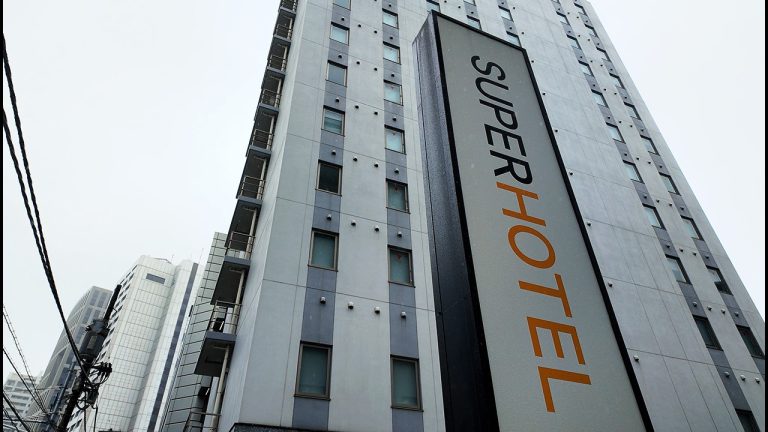
Natural hot-spring water in the middle of central Tokyo, piped directly from Oku-Yugawara, a celebrated onsen source area in Kanagawa—that is the headline at Super Hotel Ikebukuro Nishiguchi Natural Hot Spring. Most Super Hotel branches keep things simple and sensible, but this one goes further by layering genuine wellness perks on top of a reliably efficient formula. I stayed in July 2025, just seven months after the property’s full renovation reopening on December 26, 2024, and the freshness shows in every corner: bright surfaces, snug fittings, and that pleasant sense that everything was replaced at the same time.
The location is almost comically good. Step off the Tokyo Metro Fukutoshin Line at Exit C1b of Ikebukuro Station and the hotel is essentially the first thing you see—no map staring, no second-guessing. For international travellers navigating Japan’s layered train network for the first time, having the building within eyesight of the turnstiles is a genuine stress-reducer, especially with heavy luggage. Ikebukuro itself is a full-service district: department stores, restaurants, entertainment, and excellent rail connections for day trips.
Super Hotel also holds the distinction of being the only hotel chain in Japan officially certified as an Eco-First company by the Ministry of the Environment—recognition received back in 2011. Their guiding concept, “Natural, Organic, Smart,” isn’t just branding; it shows up in the organic breakfast, the ionized Healthy Ion Water running through the taps, and of course, the hot spring itself. Even in the middle of the city, the philosophy holds together in a way that feels genuine rather than performative.
Room & Amenities
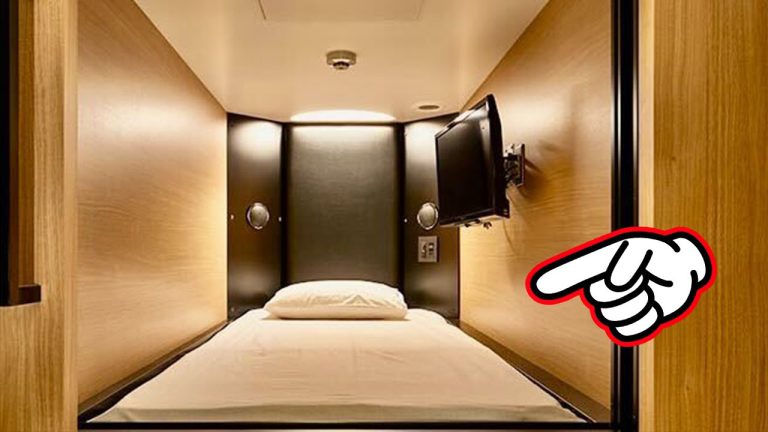
My standard room measured about 12 square meters—compact but honestly fine for a one- or two-night Tokyo stay once you accept that the entire city is operating on similar footprints. You remove your shoes at a small genkan step, which sets a quiet mental boundary between “outside” and “relaxing,” and the soft gray wall tones keep the space feeling calm rather than cramped.
The 150 cm-wide bed is genuinely spacious for a business-class hotel. Combine that with the diatomaceous earth ceiling designed to regulate humidity naturally, an air purifier running in the corner, all controls clustered at the bedside, and a long lumbar support pillow, and you have a room that takes sleep seriously. The SALONIA hair dryer, electric kettle, mini-fridge, multi-device charging station, and streaming shortcut buttons on the TV remote complete a setup that handles most guest needs without fuss.
One detail I particularly liked: entry is keyless. Instead of fumbling with a card, you type a PIN code at the door—no card to misplace, no trip back to the front desk. If you arrive after the staffed desk closes, the self check-in terminal in the entrance still issues your code, which is genuinely reassuring for late-night international arrivals. Pajamas and toiletries are available from a lobby station rather than pre-placed in the room, so you take only what you need.
The bathroom unit is clean and stocked with the hotel’s own silicone-free shampoo and conditioner. Tap water is confirmed safe to drink—a small detail that many overseas visitors notice and appreciate. One honest note: the in-room bathtub runs a little small, which makes the shared hot-spring bath on a dedicated floor even more appealing.
Dining & Breakfast
Breakfast is complimentary for every guest and served as a buffet under the chain’s “healthy breakfast” concept. The spread on my visit was colorful and varied: bright salads with five house-made dressings, grilled mackerel, herb-grilled chicken, a monja-style croquette that felt very true to Tokyo’s food culture, a soft omelet, and a dessert corner to finish. I assembled a mostly Japanese-style plate and genuinely could not believe the meal was bundled into the room rate.
A practical tip: the in-room TV streams a live camera feed of the breakfast area, letting you check the crowd before heading down. This is surprisingly useful on weekday mornings when the room fills quickly. Coffee and tea service was what you’d expect from a comfortable mid-range hotel—not specialty-grade, but warm, plentiful, and a solid launchpad for a full day of sightseeing.
Location & Access
The west exit of Ikebukuro Station connects to major railway and metro lines, and the hotel’s position right beside Exit C1b means arriving and departing guests spend almost no time navigating. Whether you’re chasing a Shinkansen connection, heading toward Narita, or planning a day trip to Kawagoe or Saitama, the early-start logistics are easy from here. Fewer street crossings and less map-staring means more energy saved for actual exploring.
The hotel is also well-placed for the IKEBUS—Ikebukuro’s charming red eco-bus that loops two routes around the district, running roughly twice per hour. It’s an enjoyable way to reach Ikesan Park or other local spots without crowding onto a train, and the bus stop is just a short walk from the hotel’s front door.
Checkout is deliberately low-friction: hang the supplied sign on your door handle and drop the card key in the lobby return box. No queuing, no paperwork—just a clean exit when your next adventure calls.
Final Verdict
Super Hotel Ikebukuro Nishiguchi Natural Hot Spring delivers a rare combination: a legitimate natural onsen experience, a free healthy breakfast, and one of the best station-access situations in all of Tokyo—packed into a freshly renovated, eco-minded property for around $50 a night. The room is compact and the in-room tub is modest, but the shared Oku-Yugawara hot spring (open from 3:00 PM through 9:30 AM the next morning) more than compensates. Rates vary by season—check current prices on Agoda. For any short Tokyo stay where you want comfort, culture, and convenience without stretching the budget, I would book this one again without hesitation.