Overview
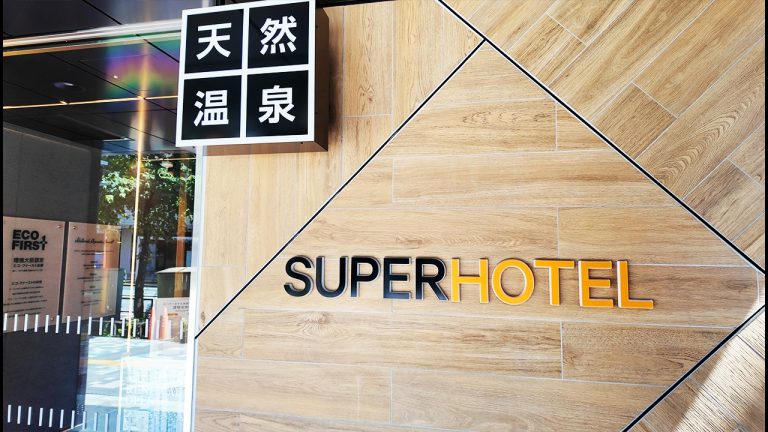
The highly concentrated artificial carbonated spring on the second floor is what sets Super Hotel Tokyo Shiba apart from ordinary business hotels—a fizzy, fatigue-melting bath open from 3:00 p.m. until 9:30 a.m. the next morning, so even late check-ins can soak before breakfast. That bath, combined with eight selectable pillow types and a sleep-first room design, makes the property feel less like a transit stop and more like a recovery station after Tokyo Tower sightseeing or Shiba Park walks.
During my May 2025 stay in a standard room on the seventh floor, I paid for a rate that included breakfast and experienced the chain’s LOHAS philosophy firsthand: dimmed lighting to ease you toward sleep, fabric roller blinds blocking over ninety-nine percent of outside light, diatomaceous-earth ceilings marketed for antibacterial and air-purifying effects, and ion slippers embedded with natural ore powder. The twelve-story building holds 312 rooms across floors three through twelve, with PIN-code entry instead of card keys and no formal check-out procedure—you simply leave when ready.
Super Hotel operates 172 locations nationwide, but the Shiba branch adds Tokyo Tower proximity—about five minutes on foot from Shibakoen Station on the Toei Mita Line, with JR Mita and Tamachi stations also within walking distance. Free soft-drink service runs from 3:00 p.m. to 10:00 p.m., organic breakfast is complimentary from 6:30 a.m. to 9:00 a.m., and the quiet Shiba neighborhood keeps nights calmer than Shibuya or Shinjuku bases. If sleep quality matters more than lobby glamour, this hotel delivers.
Room & Amenities
My seventh-floor room was intentionally simple—slightly dim ambient lighting, an air purifier humming softly, and an original Super Hotel mattress designed to reduce body strain. The window faces a two-lane road, though traffic sounded lighter than central Tokyo averages; pull down the light-blocking roller blinds and the room goes properly dark. A long narrow desk suits laptop work, with an electric kettle, mug, mini fridge, forty-nine-inch LCD TV, multi-device charger, and three power outlets keeping the footprint functional despite the business-hotel size.
Check-in provides a receipt listing your room number and a six-digit PIN that unlocks both the guest-room door and, after midnight, the hotel entrance when the main door locks. Women’s public-bath entry requires a separate PIN for security. Ion slippers—infused with fine hormic-ore powder for a bedrock-bath-like effect—wait inside the room, and separate top-and-bottom pajamas in hybrid mesh cotton (one size) handle lounge wear. I chose a cypress pillow from the lobby’s eight options varying in firmness, height, and fragrance; the front desk also stocks silicone-free shampoo, face masks, foaming nets, toe pads, and other amenity-corner items you pick per stay rather than finding pre-stuffed plastic kits in the room.
The unit bath is compact but thoroughly clean, with a washlet toilet and tap water processed into ionized drinking water—a small LOHAS detail that lets you refill bottles without vending machines on guest floors (vending and coin laundry sit on the second floor instead). Hidden storage conceals the hair dryer and trash can; a Tokyo Tower-themed bag for carrying items to the public bath is available for purchase at the desk. On-site relaxation massage can be booked if you want muscle recovery beyond the carbonated bath.
The second-floor bath area is the amenity highlight: highly concentrated artificial carbonated spring water, open late enough that morning-soak people exist, and spacious enough that non-guest day use is mentioned in the video for certain hours. Bring drinks from the first-floor soft-drink bar back to your room between 3:00 p.m. and 10:00 p.m.—a nice touch when guest floors lack vending machines. Eco programs include a sweet reward if you bring your own toothbrush, and multi-night guests can skip daily cleaning to receive a complimentary mineral-water bottle.
Dining & Breakfast
Breakfast is included and served on the first floor from 6:30 a.m. to 9:00 a.m., with peak crowding expected between 8:00 and 9:00—arrive earlier if you want a calmer elevator ride or use the emergency stairs as the video suggests. The menu emphasizes organic, health-conscious Japanese and Western dishes: pesticide-reduced rice from Ishikawa Prefecture, organic vegetables, natto for protein, furikake seasonings, and a locally sourced corner highlighting regional producers. The spread feels genuinely free and generous for a business hotel, not a token pastry and coffee setup.
The hexagonal-tile breakfast room doubles as the welcome-drink area after check-in, keeping ground-floor traffic centralized. Soft drinks only at the evening drink bar—no alcohol in that complimentary service— but you can carry cups to your room and relax with the kettle. Mobile check-in works if you prepaid through the official site, Jalan, or Rakuten Travel, speeding arrival when the lobby busies up.
There is no hotel restaurant for lunch or dinner; the property assumes neighborhood dining, which suits Shiba’s ramen and izakaya options nearby. The included breakfast alone justifies choosing a plan with meals bundled—organic rice that tastes good even when cooled, Japanese corner staples, and Western items together cover most preferences without leaving the building on a rainy morning.
Location & Access
The address is 2-31-17 Shiba, Minato-ku, Tokyo 105-0014, roughly a five-minute walk (about 450 meters) from Shibakoen Station on the Toei Mita Line by following Hibiya-dori toward Mita. JR Mita and Tamachi stations are also walkable alternatives depending on which line your day requires. Tokyo Tower views appear throughout the neighborhood, and the hotel sign stays visible at night for easy returns after evening outings.
Shiba Park—one of Japan’s oldest parks—sits at the station’s doorstep, and Zojoji Temple grounds lie within strolling distance for a calmer counterpoint to tower photography spots. The location suits both tourism (Tokyo Tower, Hamarikyu, Roppongi transfers) and business around the Mita and Shiodome corridors without Shinjuku-level noise at the room window. Haneda Airport access runs roughly twenty minutes by car per third-party guides; Tokyo Station connections depend on which subway or JR line you chain.
Because the entrance locks after midnight, save your room PIN for re-entry if you plan late ramen runs—the video’s mackerel-ramen detour is outside the hotel, but the PIN system matters for anyone returning after hours. Daytime check-out simply means walking out with no front-desk queue, which helps when breakfast runs long or rain shifts your schedule.
Final Verdict
Super Hotel Tokyo Shiba is a sleep-engineering business hotel wearing an eco-friendly LOHAS badge. The room is plain and the unit bath small, pajamas come in one size, and dinner is on you—but the carbonated public bath, pillow menu, light-blocking blinds, free organic breakfast, and five-minute Shibakoen link create value that outperforms the modest facade. I slept deeply after the bath and cypress pillow, and left without check-out friction.
Choose a breakfast-inclusive plan, pick your pillow at the amenity corner, soak before bed, and arrive before 8:00 a.m. breakfast rush if crowds bother you. Tokyo Tower visitors who want quiet nights and genuine bath culture at a reasonable chain-hotel price should shortlist this branch. Rates vary by season—check current prices on Agoda.